How to Achieve Crystal-Clear Aquarium Water and Optimal Fish Health - The Essential Pet Parent's Guide
For any dedicated fish parent, the sight of a vibrant, thriving aquarium with crystal-clear water is a source of immense joy. Beyond aesthetics, however, pristine water quality is the absolute cornerstone of your aquatic pets' health and longevity. Poor water conditions can lead to stressed fish, disease outbreaks, and a diminished quality of life for your underwater companions. In 2026, with advancements in filtration technology and a deeper understanding of aquatic ecosystems, achieving and maintaining this ideal environment is more accessible than ever.
This comprehensive guide will walk you through everything you need to know about aquarium water quality, focusing on the critical role of filtration. We'll explore the science behind clean water, provide actionable steps for setup and maintenance, address common challenges, and share expert insights to help your fish flourish. Whether you're setting up a new 40-gallon tank or optimizing an existing 70-gallon aquatic habitat, mastering water quality is your number one priority.
Understanding Aquarium Filtration: The Cornerstone of Aquatic Health
At its heart, a healthy aquarium replicates a balanced natural ecosystem, albeit on a much smaller scale. The key to this balance lies in effective water filtration. Without it, waste products from fish, uneaten food, and decaying plant matter quickly accumulate, turning your beautiful tank into a toxic environment. Proper filtration works tirelessly to remove these harmful elements, creating a stable and safe home for your fish.
The Importance of Clean Water for Fish Health
Clean water directly impacts every aspect of fish health. Fish constantly interact with their environment, absorbing oxygen and expelling waste through their gills. When water is laden with ammonia, nitrites, and nitrates – the byproducts of the nitrogen cycle – it becomes highly toxic. These compounds can burn gills, suppress immune systems, and lead to chronic stress, making fish susceptible to various diseases.
Beyond chemical balance, clear water allows for better light penetration, crucial for live plants, and makes it easier for you to observe your fish for any signs of illness or distress. It also enhances the aesthetic appeal of your aquarium, turning it into a captivating display rather than a murky chore.
Types of Filtration: Mechanical, Chemical, and Biological
A truly effective fish tank filter employs a multi-stage approach, combining three distinct types of filtration to ensure comprehensive water purification. Understanding each type is vital for selecting and maintaining the right system for your aquarium.
- Mechanical Filtration: This is the physical removal of particulate matter from the water. Sponges, filter floss, and pads trap uneaten food, fish waste, and other debris, preventing them from breaking down and polluting the water. Regular cleaning or replacement of mechanical media is crucial to prevent it from becoming a source of pollution itself. For optimal water filtration, mechanical media is the first line of defense.
- Chemical Filtration: Chemical media works by adsorbing dissolved impurities, odors, and discoloration from the water. Activated carbon is the most common chemical filter media, effectively removing medications, tannins, and other organic compounds that can tint the water or cause unpleasant smells. Other chemical media, like specialized resins, can target specific pollutants such as phosphates or nitrates.
- Biological Filtration: Arguably the most critical type of filtration, biological filtration relies on beneficial bacteria to convert toxic ammonia and nitrites into less harmful nitrates. These bacteria colonize porous surfaces within the filter media, such as ceramic rings, bio-balls, or specialized sponges. A robust biological filter is essential for establishing and maintaining the nitrogen cycle, which is the backbone of a healthy aquatic ecosystem. Ensuring sufficient surface area for these bacteria is key to fish health.
Sizing Your Filter Correctly for a Thriving Environment
Choosing the right size filter is as important as choosing the right type. An undersized filter will struggle to keep up with the biological load of your aquarium, leading to poor water quality. An oversized filter, while generally not harmful, might be overkill and consume more energy than necessary. The general rule of thumb for aquarium filters is to select one that can process the entire volume of your tank's water at least 4-6 times per hour.
For example, if you have a 40 gallon aquarium, your filter should ideally have a flow rate of 160-240 gallons per hour (GPH). For a 70 gallon aquarium, you'd be looking for a filter with a GPH of 280-420. Always check the manufacturer's recommendations and consider the specific needs of your fish species and stocking levels. A filter designed for the upper limit of your tank size, like the AquaClear 70, offers excellent versatility and performance.
Step-by-Step Guide to Optimal Aquarium Water Quality with a Power Filter
Achieving and maintaining pristine water quality is an ongoing process, but with the right equipment and routine, it becomes second nature. Here's a detailed guide to setting up and optimizing your power filter for peak performance.
Choosing the Right Filter: Performance and Aesthetics
When selecting a power filter, consider its flow rate, media capacity, ease of maintenance, and durability. For aquariums ranging from 40 to 70 gallons, a robust hang-on-back (HOB) aquarium filter is often an excellent choice due to its efficiency and user-friendliness. Look for models that offer multi-stage filtration capabilities right out of the box.
One of the top-rated power filters in 2026 for mid-sized tanks is the AquaClear 70. This filter is specifically designed for 40- to 70-gallon aquariums, providing powerful multi-stage filtration that ensures exceptionally clean and healthy water quality. Its durable black finish not only blends seamlessly with most tank aesthetics but also signifies a product built for longevity. The AquaClear 70 is renowned for its efficient removal of debris and toxins, promoting a truly thriving aquatic environment for your fish.

AquaClear 70 Power Filter, Black for 40- to 70-Gallon Aquariums
Expert choice for AquaClear 70 Power Filter, Black for 40- to 70-Gallon Aquariums
Here’s a quick overview of its key specifications:
| Feature | Detail |
|---|---|
| Product Name | AquaClear 70 Power Filter, Black |
| Aquarium Size | 40 to 70 Gallons |
| Filtration Type | Multi-Stage (Mechanical, Chemical, Biological) |
| Flow Rate | Up to 300 GPH (approximate) |
| Color | Black |
| Price | $64.99 (as of 2026) |
| Key Benefits | Clean water, healthy fish, durable design |
Installation Made Easy
Installing a power filter like the AquaClear 70 is straightforward, even for novice fish keepers. Always refer to your specific filter's instruction manual, but the general steps are as follows:
- Unpack and Assemble: Carefully remove all components from the packaging. Assemble the intake tube, impeller, and motor housing according to the instructions. Ensure all seals are properly seated.
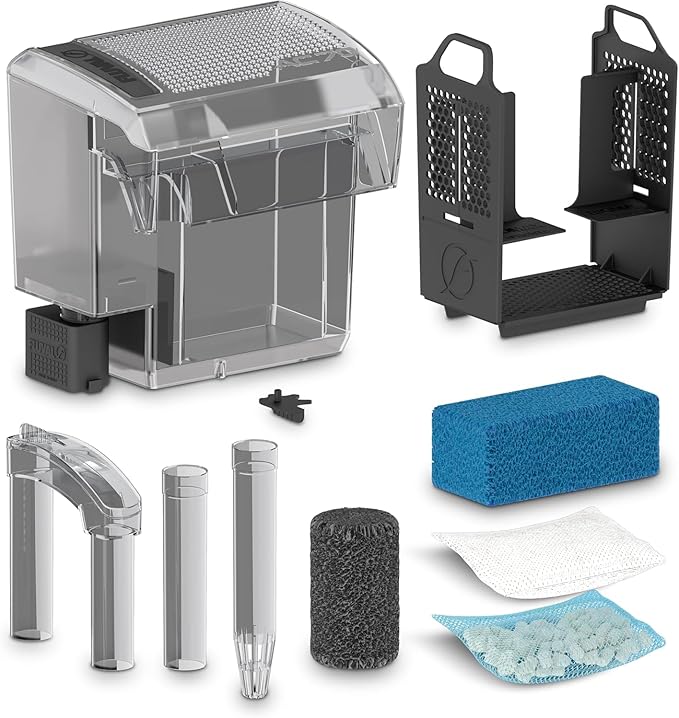
- Insert Media: Place the filter media into the filter basket or compartments in the correct order. Typically, mechanical media (sponge) goes first, followed by chemical media (carbon), and then biological media (BioMax ceramic rings). This ensures water flows through the stages efficiently.
- Mount the Filter: Hang the filter onto the back rim of your aquarium. Adjust the leveling device (if applicable) to ensure the filter sits securely and is level. The intake tube should extend deep enough into the tank to draw water from the lower levels but avoid touching the substrate.
- Prime the Filter: Most power filters require priming to start. This usually involves filling the filter box with aquarium water before plugging it in. This prevents the motor from running dry and ensures immediate water flow. Check for any leaks before proceeding.
- Plug In and Observe: Once primed, plug in the filter. It should start operating immediately, drawing water from the tank, processing it, and returning clean water. Listen for unusual noises and ensure a steady flow.

Media Selection and Placement for Multi-Stage Filtration
The effectiveness of your aquarium filter heavily depends on the media you choose and how it's arranged. AquaClear filters are known for their spacious media baskets, allowing for customization. For optimal results:
- Bottom Layer (Mechanical): Use a coarse foam or sponge. This traps larger particles, preventing them from clogging subsequent media layers. Rinse or replace this regularly.
- Middle Layer (Chemical): Activated carbon is a popular choice for clarity and odor removal. Replace carbon every 2-4 weeks as it becomes saturated. For specific issues, consider specialized resins.
- Top Layer (Biological): Bio-media like ceramic rings or BioMax media provide vast surface area for beneficial bacteria. These should ideally never be fully replaced, only rinsed gently in old tank water during maintenance to preserve the bacterial colony.
Regular Maintenance Schedule for Sustained Water Quality
Consistent maintenance is non-negotiable for long-term fish health. Establish a routine and stick to it.
- Weekly: Check filter flow rate. If reduced, gently rinse the mechanical sponge in old tank water or dechlorinated tap water. Inspect the intake tube for blockages. Perform a partial water change (10-25%).
- Bi-Weekly/Monthly: Replace activated carbon or other chemical media. Clean the impeller and motor housing to prevent buildup that can reduce efficiency or cause noise. Never clean biological media thoroughly with tap water, as this will kill beneficial bacteria.
- Quarterly: Deep clean the filter housing. Inspect all components for wear and tear. Consider replacing worn sponges or filter floss if they can no longer be effectively cleaned.
Monitoring Water Parameters
Even with the best filtration, regular water testing is crucial. Invest in a reliable liquid test kit (strips are less accurate). Key parameters to monitor include:
- Ammonia (NH3/NH4+): Should always be 0 ppm. Any detectable level is toxic.
- Nitrite (NO2-): Should always be 0 ppm. Also highly toxic.
- Nitrate (NO3-): Should be kept below 20 ppm for most tanks. High nitrates indicate a need for more frequent or larger water changes.
- pH: The ideal range varies by fish species. Maintain a stable pH rather than chasing a specific number.
- Temperature: Stable and appropriate for your fish species.
Common Challenges in Aquarium Filtration & Expert Solutions
Even with a high-performance filter like the AquaClear 70, you might encounter common aquarium issues. Knowing how to troubleshoot them is key to maintaining a healthy environment.
Cloudy Water Solutions
Cloudy fish tank water is a frequent concern. It can stem from several sources:
- Bacterial Bloom: Often seen in new tanks or after a major disturbance. It's usually harmless and resolves on its own as the biological filter matures. Ensure your filter's biological media is established.
- Particulate Matter: Fine debris not being captured. Check if your mechanical filter media is clean and properly seated. Add a finer filter floss if necessary.
- Algae Bloom: Can give water a green tint. See the section below.
- Substrate Disturbance: Stirring up the substrate during maintenance. Allow time for the filter to clear it.
Algae Bloom Management
Green water or excessive algae growth on surfaces indicates an imbalance, typically too much light or excess nutrients (nitrates, phosphates). While filters remove some algae spores, they don't solve the root cause.
Solutions:
- Reduce lighting duration (6-8 hours daily is often sufficient).
- Perform more frequent water changes to lower nitrates and phosphates.
- Avoid overfeeding.
- Consider adding live plants to compete for nutrients.
- Ensure your chemical filtration (e.g., activated carbon or phosphate removers) is fresh.
Odor Issues in Your Aquarium
A healthy aquarium should have a fresh, earthy smell, not a foul or stagnant odor. Persistent bad smells often point to decaying organic matter or insufficient filtration.
Solutions:
- Check for dead fish or decaying plant matter. Remove immediately.
- Siphon the gravel thoroughly to remove trapped detritus.
- Ensure your mechanical filter media is clean.
- Replace activated carbon, as it effectively removes odors.
- Increase aeration if oxygen levels are low.
Filter Noise Reduction Strategies
While modern power filters are generally quiet, sometimes they can develop a hum or rattle. This can be annoying and indicates a potential issue.
Solutions:
- Impeller Check: The most common culprit. Unplug the filter, remove the impeller, and clean it thoroughly, as well as its housing. Debris or mineral buildup can cause noise. Replace the impeller if it's chipped or worn.
- Leveling: Ensure the filter is perfectly level on the tank rim. Uneven placement can cause vibrations.
- Water Level: Make sure the water level in the tank is high enough so the filter's intake is fully submerged and the water outflow isn't splashing excessively.
- Mounting: Sometimes, a small piece of foam or rubber under the filter's contact points with the tank can absorb vibrations.
Expert Tips from Aquatic Veterinarians and Biologists (2026 Insights)
Beyond basic filtration, aquatic experts continually emphasize a holistic approach to aquarium health. Drawing from the latest research and best practices in 2026, here are some key recommendations to ensure your fish don't just survive, but truly thrive.
The Role of Consistent Water Changes
Dr. Anya Sharma, a leading aquatic veterinarian, stresses, "Even the most advanced aquarium filter can't replace regular water changes." While filters manage toxins and debris, they don't remove everything, especially accumulating nitrates. Partial water changes replenish essential minerals, dilute pollutants, and introduce fresh, oxygenated water. Aim for 10-25% weekly, using a dechlorinator.
Nutritional Impact on Water Quality
"What goes in, must come out," reminds marine biologist Kenji Tanaka. Overfeeding is a primary cause of poor water quality. Uneaten food decays rapidly, spiking ammonia and nitrite levels. Feed high-quality, species-appropriate food in small amounts that your fish can consume within 2-3 minutes. This minimizes waste and supports fish health from the inside out.
Avoiding Overstocking Your Aquarium
It's tempting to fill a 70 gallon aquarium with many beautiful fish, but overstocking is a common pitfall. Too many fish produce too much waste, overwhelming even the most efficient filter. Research the adult size and territorial needs of each species before adding them. A good rule of thumb is 1 inch of adult fish per gallon for smaller, peaceful species, but this varies greatly. Always err on the side of understocking for a more stable and less stressful environment.
Probiotics and Beneficial Bacteria Supplements
In 2026, the use of aquarium-specific probiotics and beneficial bacteria supplements has gained significant traction. These products can help establish a new tank's biological filter faster, boost an existing filter's efficiency, and aid in recovery after medication use or power outages. While not a substitute for proper filtration, they can be a valuable tool for maintaining robust aquatic environment health.
Frequently Asked Questions (FAQ Section)
How often should I clean my power filter?
For optimal performance, clean the mechanical filter media (sponge/floss) weekly by rinsing it gently in old tank water. Chemical media like activated carbon should be replaced every 2-4 weeks. Biological media should only be gently rinsed in old tank water every few months, if at all, to preserve beneficial bacteria. Avoid cleaning all media at once to prevent crashing your nitrogen cycle.
Can I use tap water directly for my aquarium?
No, tap water typically contains chlorine or chloramines, which are toxic to fish and beneficial bacteria. Always use a high-quality water conditioner/dechlorinator to neutralize these chemicals before adding tap water to your aquarium, whether for top-offs or water changes. This is a critical step for fish health.
What are the signs of a struggling aquarium filter?
Signs include reduced water flow, cloudy water, unpleasant odors, increased ammonia or nitrite levels in water tests, algae blooms, or fish showing signs of stress (e.g., gasping at the surface, clamped fins, lethargy). If you notice these, inspect and maintain your power filter promptly.
Is the AquaClear 70 suitable for a heavily planted tank?
Yes, the AquaClear 70 is an excellent choice for heavily planted tanks within its recommended 40-70 gallon range. Its multi-stage filtration effectively removes detritus without excessively disturbing plant growth, and its customizable media basket allows you to optimize for specific needs, like adding specialized chemical media for nutrient control if desired. Its robust flow ensures good water circulation, which is beneficial for plant health.
AquaClear 70 Power Filter, Black for 40- to 70-Gallon Aquariums
Expert choice for AquaClear 70 Power Filter, Black for 40- to 70-Gallon Aquariums
How long does it take for a new filter to establish biological filtration?
Establishing a mature biological filter, often referred to as 'cycling the tank,' typically takes 4-6 weeks. During this period, beneficial bacteria gradually colonize the filter media and other surfaces, converting toxic ammonia and nitrites into nitrates. It's crucial to monitor water parameters daily during this phase and avoid adding too many fish at once. Using beneficial bacteria starters can sometimes accelerate this process.
Conclusion
Achieving and maintaining crystal-clear aquarium water and ensuring the optimal health of your fish is a rewarding aspect of being a pet parent. By understanding the principles of multi-stage filtration, selecting a reliable aquarium filter like the AquaClear 70, and committing to a consistent maintenance routine, you lay the foundation for a thriving aquatic ecosystem.
Remember, your filter is the heart of your aquarium, tirelessly working to purify the water and create a stable environment. Combine this with regular water changes, responsible feeding, and careful stocking, and you'll enjoy a beautiful, healthy aquarium for years to come. In 2026, the tools and knowledge are at your fingertips to provide the very best for your underwater companions.
AquaClear 70 Power Filter, Black for 40- to 70-Gallon Aquariums
Expert choice for AquaClear 70 Power Filter, Black for 40- to 70-Gallon Aquariums