How to Ensure Optimal Pet Hydration - The Essential Pet Parent's Guide to Water Fountains
In the bustling world of 2026, where pet wellness takes center stage, one fundamental aspect often overlooked is consistent, high-quality hydration. Just like humans, pets require a continuous supply of fresh water to maintain their health, support organ function, and prevent a myriad of health issues. For many pet parents, providing a simple bowl of water might seem sufficient, but the reality for our feline and canine companions often demands more.
Dehydration in pets, especially cats, can lead to serious health complications, from kidney disease to urinary tract infections. This comprehensive guide will delve into the critical role of proper hydration, explore why traditional water bowls often fall short, and introduce you to the revolutionary solution that pet water fountains offer. By the end, you'll be equipped with the knowledge to select, set up, and maintain the perfect hydration station for your cherished companion, ensuring they lead a healthier, happier life.
Understanding Pet Hydration and the Role of Water Fountains
Water is the most crucial nutrient for every living creature, and our pets are no exception. It plays a vital role in nearly all bodily functions, including regulating body temperature, lubricating joints, transporting nutrients, and flushing out toxins. A pet's body is composed of approximately 70-80% water, highlighting its indispensable nature.
Cats, in particular, have a naturally low thirst drive, inherited from their desert-dwelling ancestors who obtained most of their moisture from prey. This evolutionary trait makes them highly susceptible to chronic dehydration when relying solely on stagnant water bowls. Dogs, while generally more enthusiastic drinkers, also benefit immensely from a continuous supply of fresh, appealing water.
Traditional water bowls, while seemingly convenient, present several challenges. Water quickly becomes stale, collects dust and pet hair, and can harbor bacteria if not cleaned diligently. This stagnant environment is often unappealing to pets, deterring them from drinking sufficiently. Furthermore, many pets are instinctively drawn to moving water, perceiving it as fresher and safer than still water. This is where the innovation of a pet drinking fountain truly shines.
Pet water fountains mimic natural water sources like streams, providing a continuous flow of filtered water that is aerated and kept fresh. This constant circulation not only entices pets to drink more but also helps to prevent bacterial growth and maintain water quality. Investing in a quality fountain is an investment in your pet's long-term health and vitality.
Step-by-Step Guide to Choosing, Setting Up, and Maintaining Your Pet Water Fountain
Bringing a pet water fountain into your home can significantly improve your pet's hydration habits. However, to maximize its benefits, it's essential to make an informed choice, set it up correctly, and maintain it diligently. This section provides a comprehensive guide to help you every step of the way.
Step 1: Choosing the Right Fountain for Your Furry Friend
Selecting the ideal pet water fountain involves considering several key factors tailored to your pet's specific needs and your household's dynamics. The market for pet hydration solutions in 2026 offers a wide array of options, but discerning pet parents prioritize hygiene, capacity, and durability.
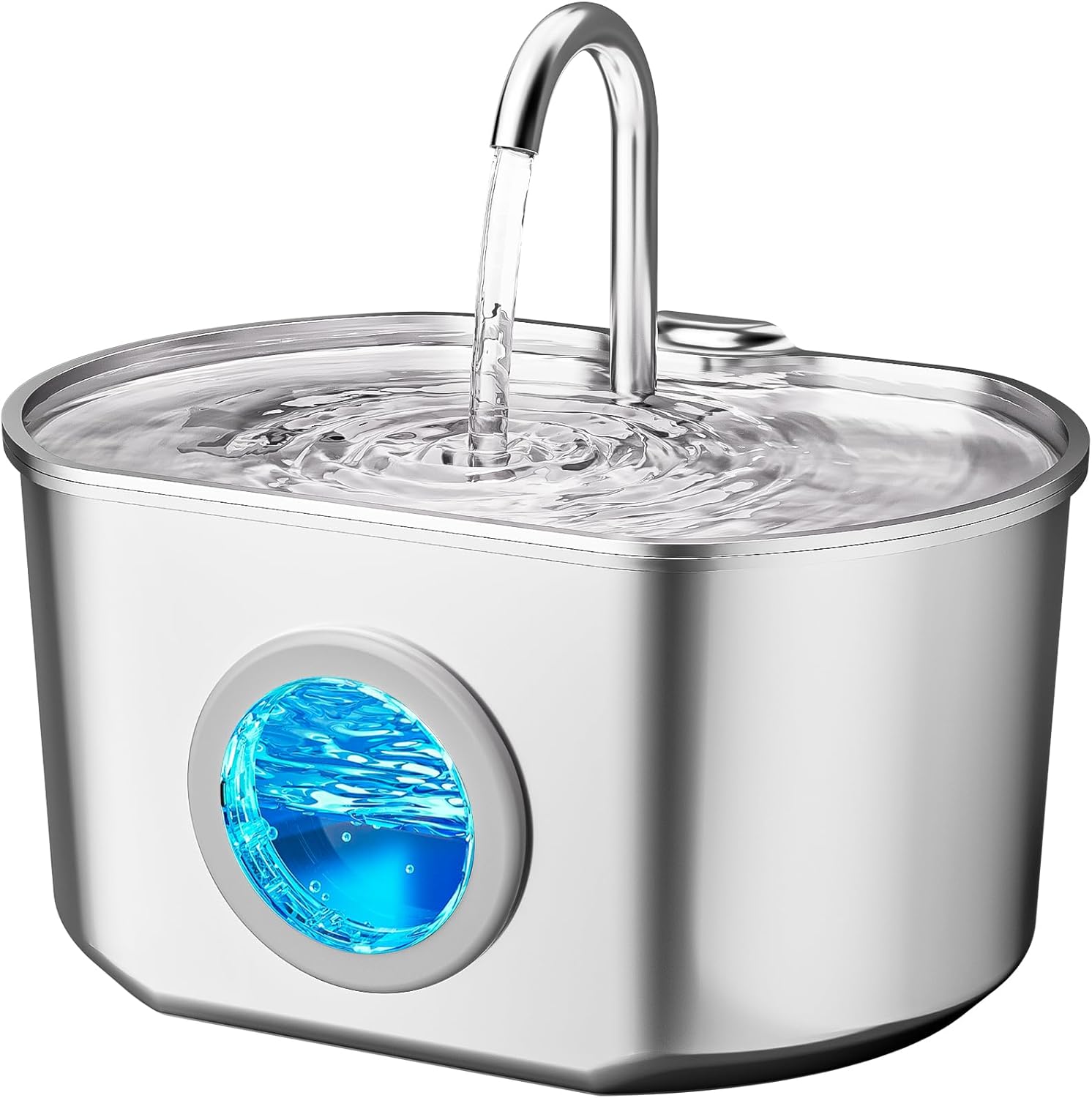
First, consider the material. While plastic fountains are common, they can scratch easily, creating breeding grounds for bacteria and potentially affecting water taste. Stainless steel pet fountains, like the Cat Water Fountain Stainless Steel - 74oz/2.2L Automatic Pet Watering Dispenser, are widely recommended by veterinarians and pet experts for their superior hygiene and durability. They are resistant to rust, corrosion, and bacterial buildup, ensuring a consistently clean water source.
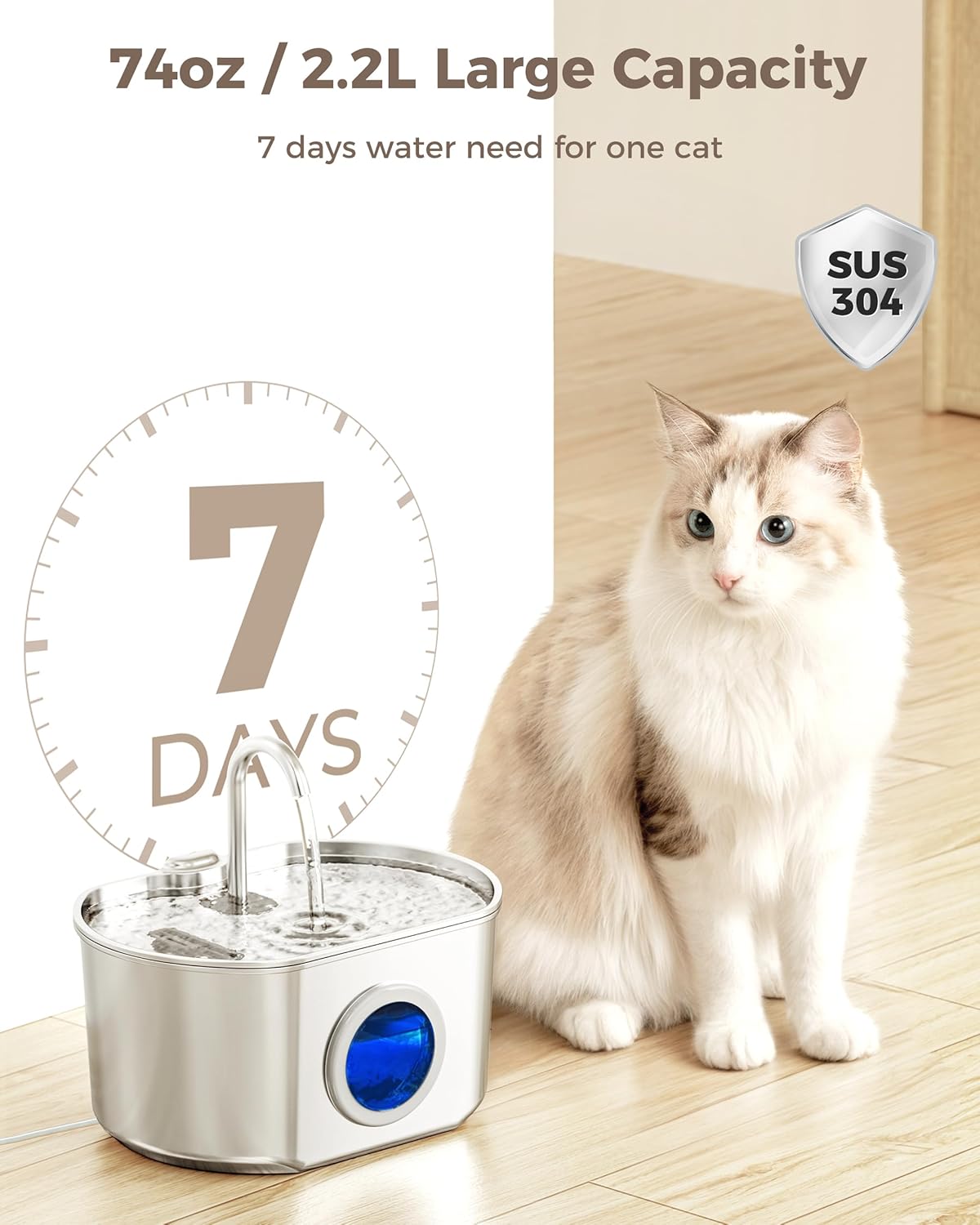
Next, evaluate capacity. A generous large capacity cat fountain reduces the frequency of refills, making it ideal for busy households, multi-pet families, or even short trips away. The 74oz (2.2L) capacity of the featured automatic cat water dispenser provides ample water for days, ensuring your pets never run out. Consider how many pets you have and their typical daily water intake.
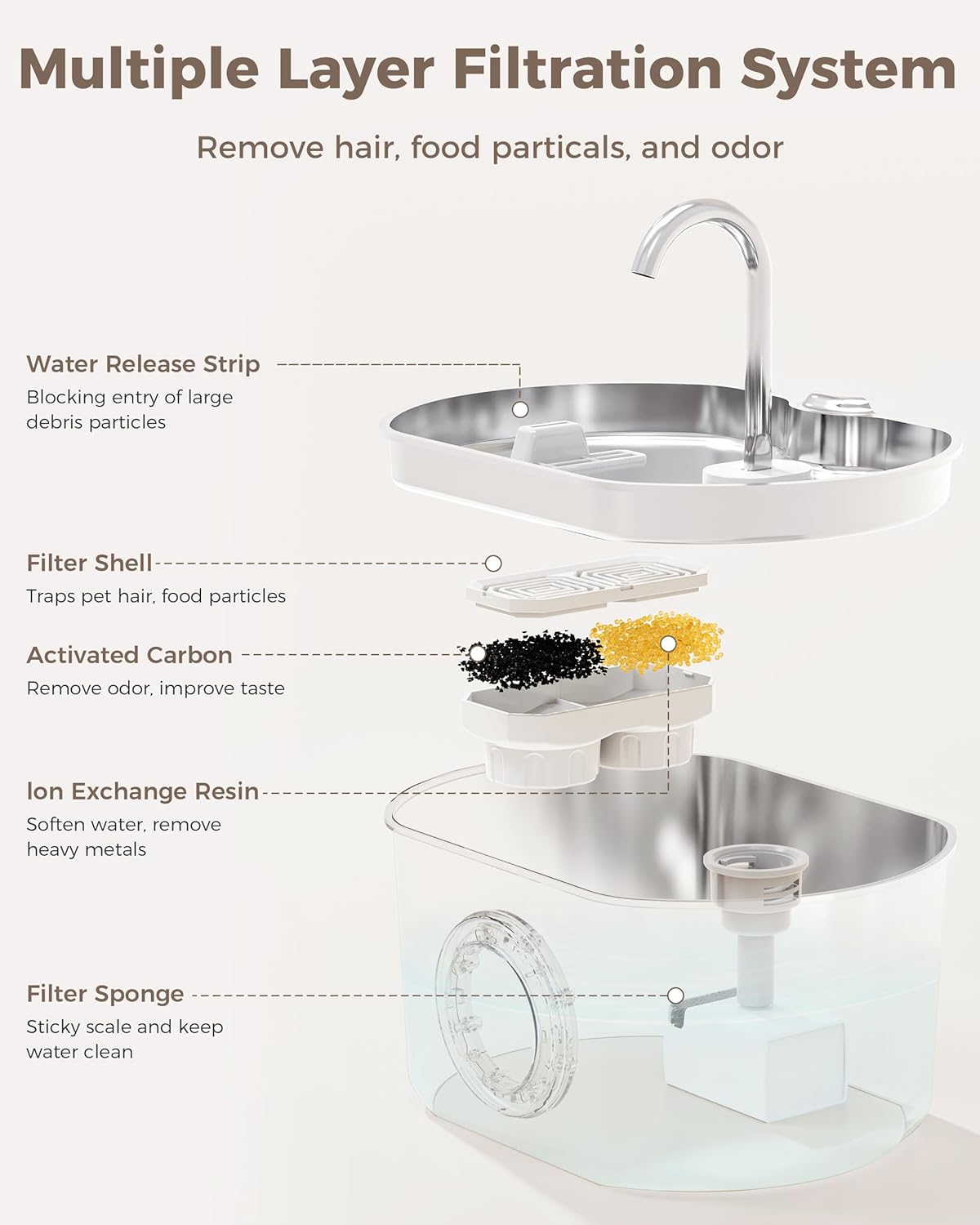
Finally, look for features that enhance convenience and pet appeal. A visible water level window pet waterer is invaluable for quickly assessing water levels, preventing the pump from running dry and making timely refills effortless. Filtration systems are also crucial, removing impurities and odors to keep the water tasting fresh. For a top-tier choice that meets all these criteria, consider the
Cat Water Fountain Stainless Steel - 74oz/2.2L Automatic Pet Watering Dispenser with Water Level Window
Expert choice for Cat Water Fountain Stainless Steel - 74oz/2.2L Automatic Pet Watering Dispenser with Water Level Window
| Feature | Stainless Steel Fountain (e.g., Featured Product) | Plastic Fountain (Typical) | Ceramic Fountain (Typical) |
|---|---|---|---|
| Material | Durable & Hygienic Stainless Steel | BPA-free Plastic | Glazed Ceramic |
| Capacity | 74oz (2.2L) - Large | Varies, often smaller | Varies |
| Hygiene | Resistant to bacteria & slime buildup | Can scratch, harbor bacteria, develop biofilm | Smooth, but can chip; heavier to clean |
| Durability | Excellent, long-lasting | Prone to scratches, discoloration | Can break if dropped |
| Cleaning Ease | Very easy to clean | Requires thorough scrubbing to prevent biofilm | Heavier, requires careful handling |
| Taste Impact | Neutral, maintains water freshness | Can impart plastic taste over time | Neutral |
| Noise Level | Often designed for quiet operation | Varies, can be noisy | Varies |
Step 2: Unboxing and Initial Setup
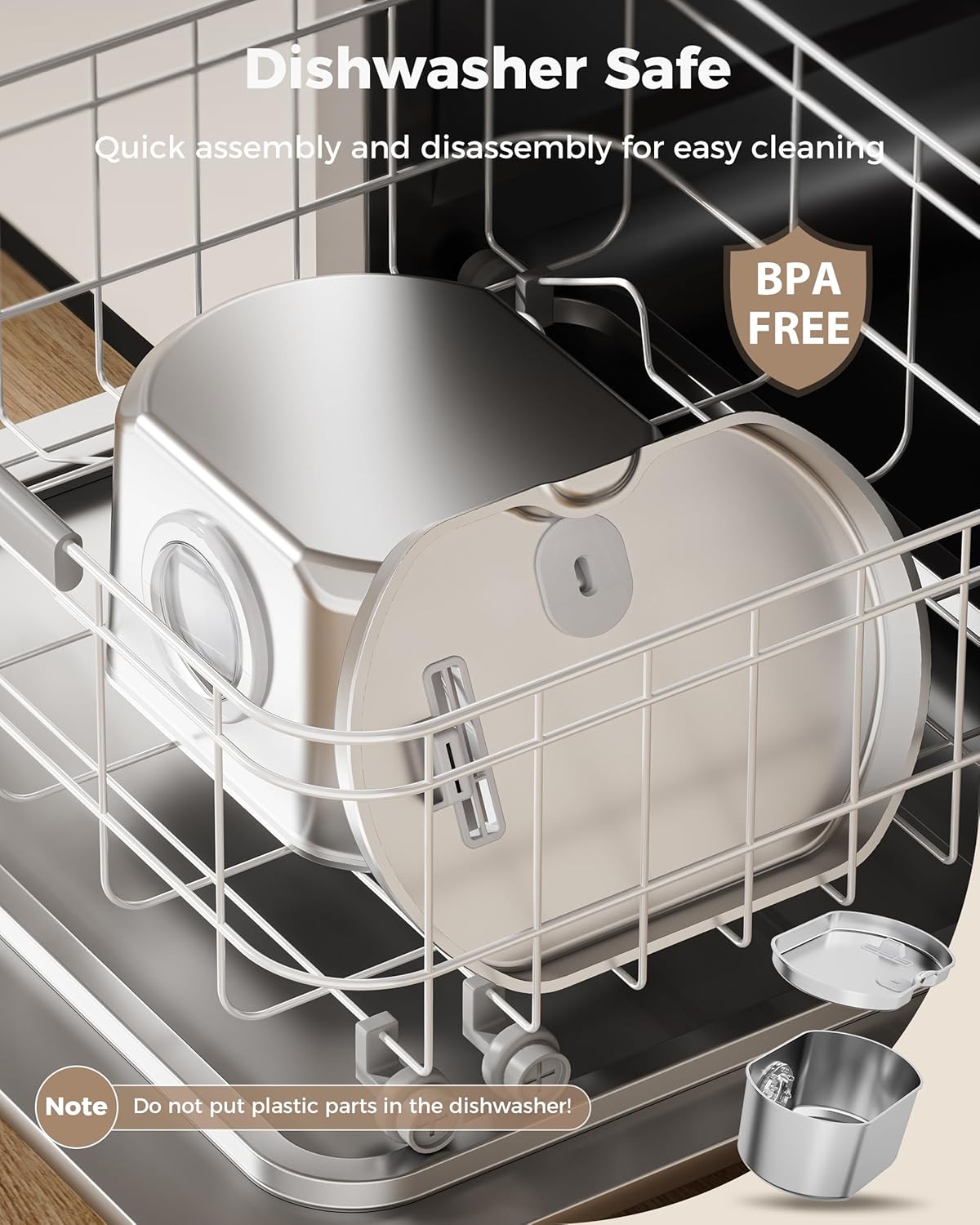
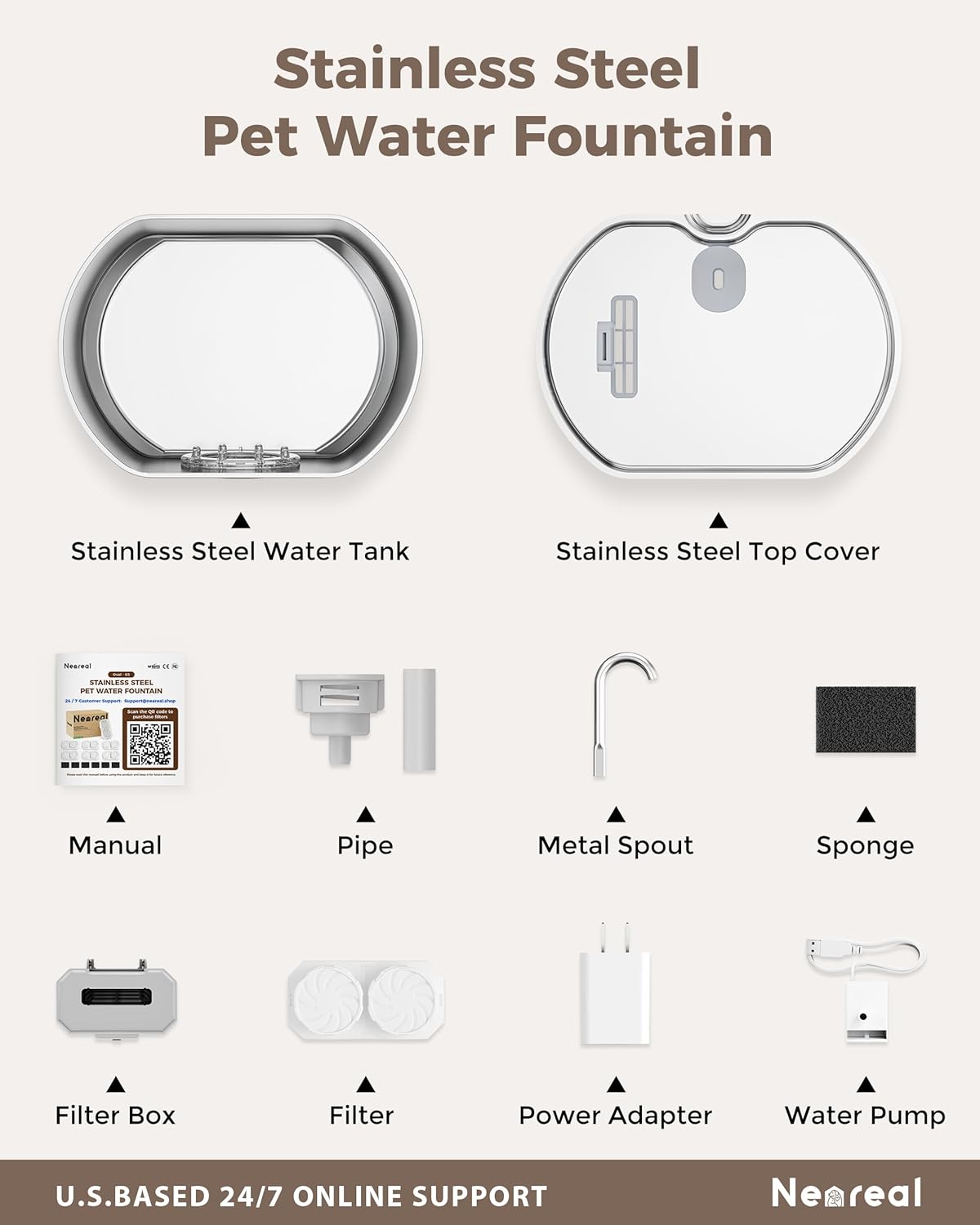
Once you’ve chosen your automatic pet watering dispenser, the setup process is straightforward. Start by carefully unboxing all components. Before its first use, it’s crucial to thoroughly clean every part of the fountain – the reservoir, tray, pump, and filter housing – with warm, soapy water. Rinse everything meticulously to remove any manufacturing residues, then dry completely.
Assemble the fountain according to the manufacturer's instructions. This typically involves placing the pump in its designated spot, attaching the filter, and securing the drinking tray. Ensure all parts fit snugly to prevent leaks and ensure proper water circulation. Fill the reservoir with fresh, clean water, preferably filtered tap water, up to the maximum fill line visible through the water level window. Avoid overfilling, as this can lead to spills or affect pump performance. Finally, plug in the fountain in a safe, accessible location, away from direct sunlight or heavy foot traffic, and watch the water begin to flow.
Step 3: Encouraging Your Pet to Drink
Introducing a new indoor pet fountain might require a little patience, especially for cautious cats or dogs. Some pets will immediately be curious and start drinking, while others might be wary of the new object or the sound of flowing water. Here are some tips to help your pet adapt:
- Location, Location, Location: Place the fountain in an area where your pet already feels comfortable drinking. Initially, you might even place it next to their old water bowl. Once they start using the fountain, you can gradually move their old bowl further away or remove it entirely.
- Familiarity Breeds Comfort: For the first day or two, you might consider leaving the fountain unplugged so your pet can investigate it without the sound of running water. Once they're comfortable, plug it in.
- Gentle Introduction: If your pet is hesitant, try dipping your finger in the flowing water and letting them lick it off. You can also offer a treat near the fountain to create positive associations.
- Multiple Options: If you have multiple pets, or if your pet is particularly finicky, consider having more than one water source available, including their old bowl, until they fully embrace the fountain.
Step 4: Routine Maintenance for Longevity and Hygiene
Maintaining your pet hydration station is crucial for ensuring it remains a clean, appealing, and functional source of water for your pets. Proper maintenance prevents the buildup of bacteria, mold, and mineral deposits, extending the life of your fountain and protecting your pet's health.
- Daily Water Top-Ups: Check the water level daily using the visible water level window. Top up with fresh water as needed. This simple step prevents the pump from running dry, which can lead to pump failure and noise.
- Weekly Cleaning: At least once a week, fully disassemble the fountain. Wash all components (except the electrical pump) with warm, soapy water. Use a bottle brush or sponge to thoroughly scrub away any slime or mineral deposits. For stainless steel fountains, a gentle descaler can be used periodically to remove hard water stains. Rinse all parts thoroughly to remove soap residue.
- Filter Replacement: Most pet fountains use activated carbon filters and foam filters. The carbon filter should be replaced every 2-4 weeks, depending on the number of pets and water quality. The foam filter, which catches larger debris, should be rinsed weekly and replaced every 1-2 months. Always follow the manufacturer's guidelines for filter replacement. Consistent filter changes ensure your pets always have fresh, filtered water.
- Pump Cleaning: The pump is the heart of your fountain. Every 2-4 weeks, or as needed, clean the pump. Disassemble the pump cover and impeller (the small spinning part). Use a small brush (often included with fountains) to clean out any hair, debris, or mineral buildup. This prevents clogs and ensures quiet, efficient operation. Regular pump maintenance is key to the longevity of your automatic cat water dispenser.
Common Challenges & Smart Solutions with Pet Water Fountains
While pet water fountains offer immense benefits, pet parents may occasionally encounter challenges. Understanding these common issues and knowing how to address them can ensure a smooth and continuous hydration experience for your furry friends.
My Pet Won't Drink from It!
This is a common concern, especially with cats known for their discerning nature. The solution often lies in understanding your pet's preferences and making small adjustments.
- Location: As mentioned, ensure the fountain is in a quiet, accessible spot where your pet feels safe. Avoid placing it too close to their litter box or food bowl, as some pets prefer their water source to be separate.
- Noise Level: Some pets are sensitive to the hum of the pump or the splashing of water. Ensure the water level is always full to minimize pump noise. If your fountain is particularly loud, it might be a sign the pump needs cleaning or replacement. The Cat Water Fountain Stainless Steel - 74oz/2.2L is designed for quiet operation, minimizing this issue.
- Water Type: Experiment with different types of water. Some pets prefer filtered tap water, while others might respond better to bottled spring water. The taste and freshness are paramount.
- Patience is Key: It can take days or even weeks for some pets to fully embrace a new fountain. Continue to offer their old water bowl alongside the fountain for a period, gradually making the fountain the primary option. Many pets, including dogs, eventually come to prefer the flowing water of an automatic dog water bowl.
The Fountain is Noisy
A noisy fountain is often a sign of a simple issue that can be easily resolved, rather than a faulty product. In 2026, manufacturers prioritize quiet operation, but maintenance is still key.
- Low Water Level: The most common cause of noise is insufficient water, causing the pump to suck air. Always keep the water level above the minimum line, easily monitored with a water level window pet waterer.
- Dirty Pump: A clogged or dirty pump can vibrate excessively or make grinding noises. Regular cleaning of the impeller and pump housing, as described in the maintenance section, is essential.
- Improper Assembly: Ensure all components are correctly assembled and seated firmly. Loose parts can vibrate and create noise.
- Placement: Placing the fountain on a soft mat or a non-resonant surface can help absorb vibrations and reduce noise.
Algae or Slime Buildup
Visible algae or a slimy film indicates bacterial growth and insufficient cleaning, which can deter pets from drinking and pose health risks. This is where the material of your fountain becomes critical.
- Regular Cleaning: Weekly, thorough cleaning is non-negotiable. Disassemble and scrub all parts with warm, soapy water. For stubborn slime, a dilute vinegar solution can be effective. Rinse thoroughly.
- Material Advantage: Durable & hygienic stainless steel fountains are significantly more resistant to bacterial and algal growth compared to plastic. Their smooth, non-porous surface is much easier to clean and sanitize, making them a superior choice for pet health.
- Location: Keep the fountain out of direct sunlight, which can encourage algae growth. Consider moving your indoor pet fountain to a cooler, shadier spot.
My Pet is Playing with the Water
While playful splashing can be endearing, it can also lead to wet floors and wasted water. This behavior is more common in younger or more curious pets.
- Water Level Adjustment: If your fountain allows, try adjusting the water flow rate to be less vigorous. A gentler flow might be less enticing for play.
- Placement: Place the fountain in an area where splashes won't damage flooring or furniture. A mat underneath can catch drips.
- Behavioral Redirection: Distract your pet with appropriate toys when you notice them playing with the water. Reinforce calm drinking behavior with praise.
- Consider Fountain Design: Some fountain designs are more enclosed, making it harder for pets to splash. The Cat Water Fountain Stainless Steel, with its streamlined design, minimizes opportunities for excessive splashing while still providing appealing flowing water.
Expert Tips from Veterinarians and Behaviorists on Pet Hydration
The health and well-being of our pets are paramount, and veterinary professionals and animal behaviorists consistently emphasize the critical role of hydration. Their insights provide invaluable guidance for pet parents seeking to optimize their furry companions' water intake.
The Importance of Clean, Fresh Water
Veterinarians frequently highlight that adequate hydration is a cornerstone of preventative health care. Dr. Anya Sharma, a leading veterinary nephrologist, states, "Chronic low-level dehydration, especially in cats, is a significant contributing factor to conditions like chronic kidney disease and urinary tract infections. Providing a continuous supply of fresh, filtered water through a pet drinking fountain can dramatically reduce these risks." The constant circulation and filtration in a quality automatic cat water dispenser ensure that the water is always clean, free from debris, and oxygenated, making it far more appealing and beneficial than stagnant bowl water. This proactive approach to cat kidney health hydration is a top priority for pet owners in 2026.
Behavioral Insights for Picky Drinkers
Animal behaviorists note that cats' natural instinct drives them towards moving water, which they perceive as safer and fresher than still water. This is a survival mechanism from their wild ancestors. Dr. Emily Carter, a certified feline behaviorist, explains, "Cats are evolutionarily programmed to distrust still water, as it can be a breeding ground for bacteria in the wild. A fountain taps into this innate preference, making drinking a more natural and enjoyable experience for them. Offering multiple water sources, including a stainless steel pet fountain, can also cater to individual preferences and increase overall intake." This understanding is crucial for encouraging reluctant drinkers.

Monitoring Hydration Levels
Knowing if your pet is drinking enough is vital. Veterinarians recommend observing your pet's drinking habits and looking for signs of dehydration. "A healthy pet should have moist gums and good skin elasticity," advises Dr. Sharma. "If you gently pinch the skin on their back and it doesn't snap back quickly, they might be dehydrated. Increased lethargy, sunken eyes, or decreased urination are also red flags." The water level window on a 2.2L pet fountain provides a convenient way to monitor overall consumption trends, helping you track how much your pet is actually drinking over time. For more detailed information on recognizing symptoms, consult our guide on Recognizing Pet Dehydration Symptoms. Ensuring access to a large capacity cat fountain means less worry about water running out, especially if you're away for a few hours.
Frequently Asked Questions About Pet Water Fountains
Choosing and maintaining a pet water fountain can raise several questions for pet parents. Here are answers to some of the most common inquiries, providing clarity and confidence in your pet hydration journey.
How often should I clean my pet water fountain?
For optimal hygiene and performance, you should top up the water daily and perform a quick rinse of the drinking tray. A thorough cleaning, including disassembling and scrubbing all components and the pump, should be done at least once a week. Filters should be replaced according to the manufacturer's recommendations, typically every 2-4 weeks for carbon filters and 1-2 months for foam filters. Consistent cleaning prevents bacterial buildup and ensures fresh, appealing water.
What kind of water should I use?
Most veterinarians recommend using filtered tap water in your pet fountain. This removes chlorine and other impurities that can affect taste and quality, without removing beneficial minerals. Distilled water is generally not recommended for long-term use as it lacks essential minerals. Avoid using softened water as it often contains high levels of sodium.
Are stainless steel fountains truly better than plastic?
Yes, absolutely. Stainless steel pet fountains are superior to plastic in several ways. Stainless steel is non-porous, making it highly resistant to bacteria, mold, and slime buildup. It's also more durable, resistant to scratches, and doesn't impart any taste to the water. Plastic, even BPA-free, can scratch over time, creating micro-fissures where bacteria can thrive, and may retain odors. In 2026, stainless steel is the gold standard for pet feeding and watering supplies due to its hygiene and longevity.
Can dogs use cat water fountains?
Many automatic cat water dispensers are perfectly suitable for small to medium-sized dogs, especially those with a large 74oz/2.2L capacity like the Cat Water Fountain Stainless Steel. The key is to ensure the fountain's height and water flow are comfortable for your dog to drink from. Larger breeds might require a fountain with a higher drinking surface or even a dedicated dog water bowl automatic designed for their size. Always observe your dog's comfort level when they interact with the fountain.
How do I know if my pet is drinking enough?
Monitoring your pet's hydration involves both observation and knowing the signs of dehydration. A healthy pet should have moist gums, and their skin should snap back quickly when gently pinched. The visible water level window on your fountain can help you track overall consumption. If you notice a significant decrease in water intake, lethargy, dry gums, or decreased urination, consult your veterinarian immediately. Encouraging consistent drinking with an indoor pet fountain is a proactive step in preventing dehydration.
Conclusion
Ensuring your pet is consistently well-hydrated is one of the simplest yet most impactful ways to support their long-term health and happiness. Traditional water bowls often fall short of meeting our pets' innate preferences and hygiene needs, leading to potential dehydration and related health issues. By understanding the benefits of moving, filtered water, and investing in a high-quality pet hydration station, you can transform your pet's drinking habits.
The Cat Water Fountain Stainless Steel - 74oz/2.2L Automatic Pet Watering Dispenser with Water Level Window stands out as a premier choice for pet parents in 2026. Its durable and hygienic stainless steel construction, generous capacity, and user-friendly features like the visible water level window make it an exceptional investment in your pet's well-being. By following the expert advice on selection, setup, and maintenance, you'll be providing your beloved companion with the fresh, circulating water they instinctively crave, promoting better hydration, supporting kidney health, and ensuring a vibrant life. Make the switch today and witness the positive difference it brings to your furry friend.
Cat Water Fountain Stainless Steel - 74oz/2.2L Automatic Pet Watering Dispenser with Water Level Window
Expert choice for Cat Water Fountain Stainless Steel - 74oz/2.2L Automatic Pet Watering Dispenser with Water Level Window